
Human Intestinal Models That Capture the Complexity of the Human Gut.
RepliGut® Systems are a series of human intestinal epithelium models built for translational gut research that meet the demand for more physiological relevance in non-clinical and pre-clinical studies.
Most drugs fail in people. Legacy models are part of the problem.
Rising attrition in clinical trials has intensified the search for preclinical tools that behave more like human tissue. Yet intestinal absorption, disease biology, and drug safety are still routinely studied in cancer-derived cell lines and animal models that don't share our physiology, immunology, or microbiome — so why expect them to predict what happens in a person?
Altis changes the starting point. Our human intestinal models give scientists human-relevant data from day one, so fewer surprises appear later.
Human biology first.
Three questions RepliGut answers better than Caco-2.
Absorption & metabolism
Predict how an oral drug is absorbed, transported, and metabolized in the human gut, using biology Caco-2 cannot reproduce.
In vitro DMPK and ADMEInflammatory disease
Model inflammation and immune-epithelial crosstalk, then test how therapies act where the disease lives.
Inflammatory bowel diseaseToxicity & safety
Screen for GI toxicity early, on human cells, so safety risks surface long before they reach a patient.
StemTox toxicity screeningOne human intestinal model, three formats.
We start with ethically sourced human intestinal stem cells and grow them into working gut epithelium. Choose the format that fits your question.
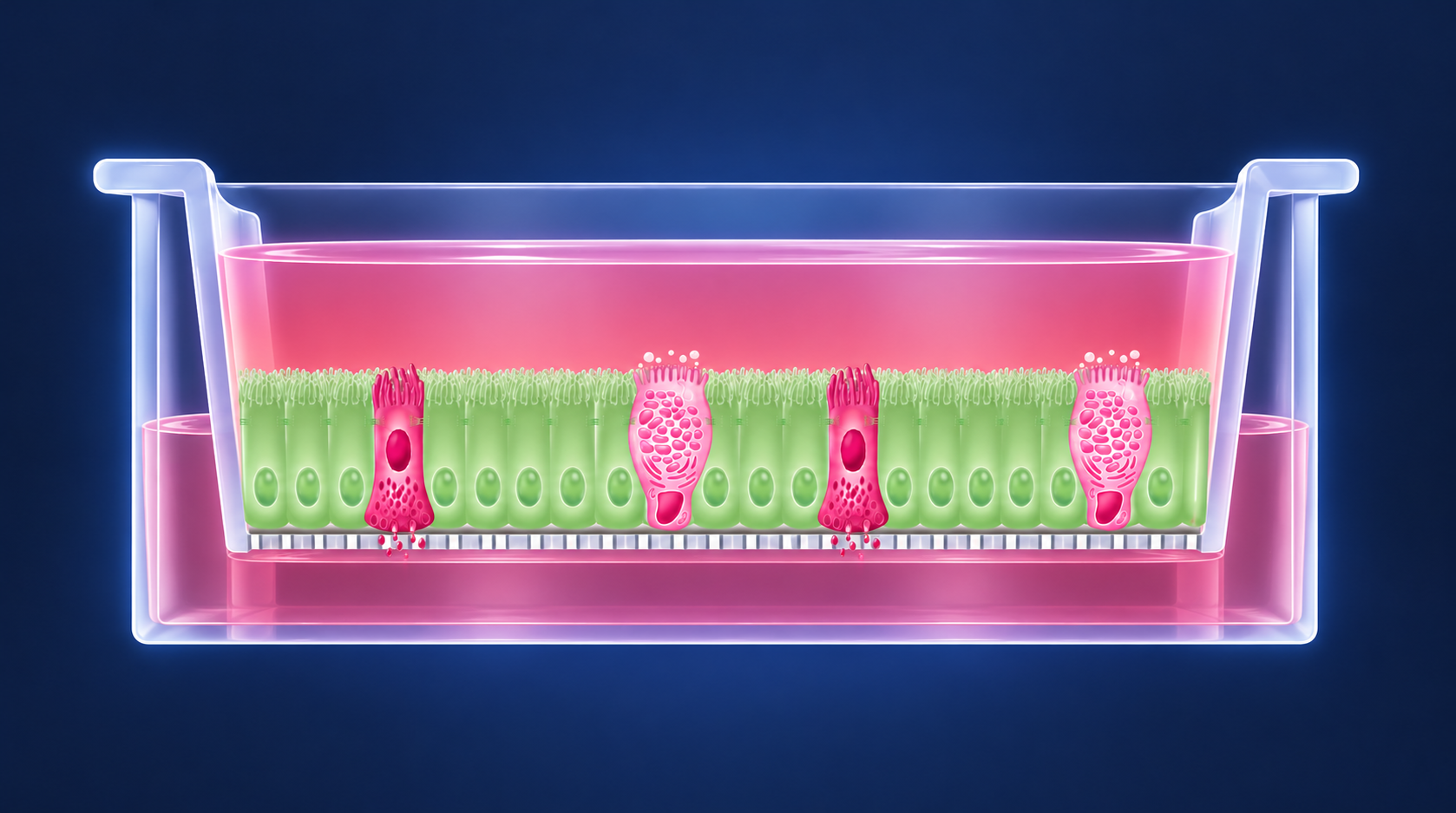
RepliGut® Planar
A flat, reproducible monolayer for permeability, transport, metabolism, and toxicity, in a familiar Transwell format.
Explore Planar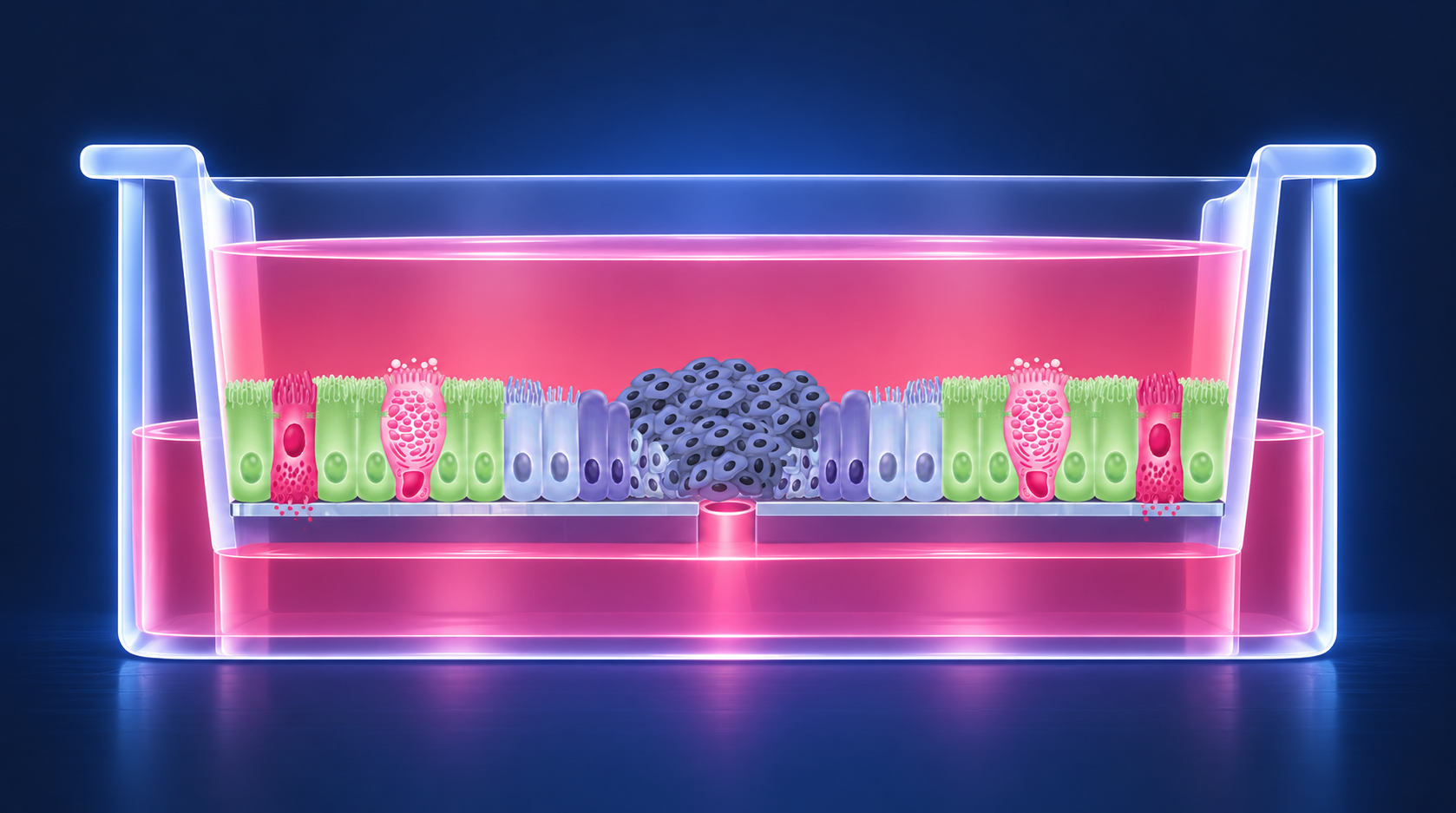
RepliGut® Crypt
Native crypt architecture with stem, proliferating, and differentiated zones, for regeneration and repair biology.
Explore Crypt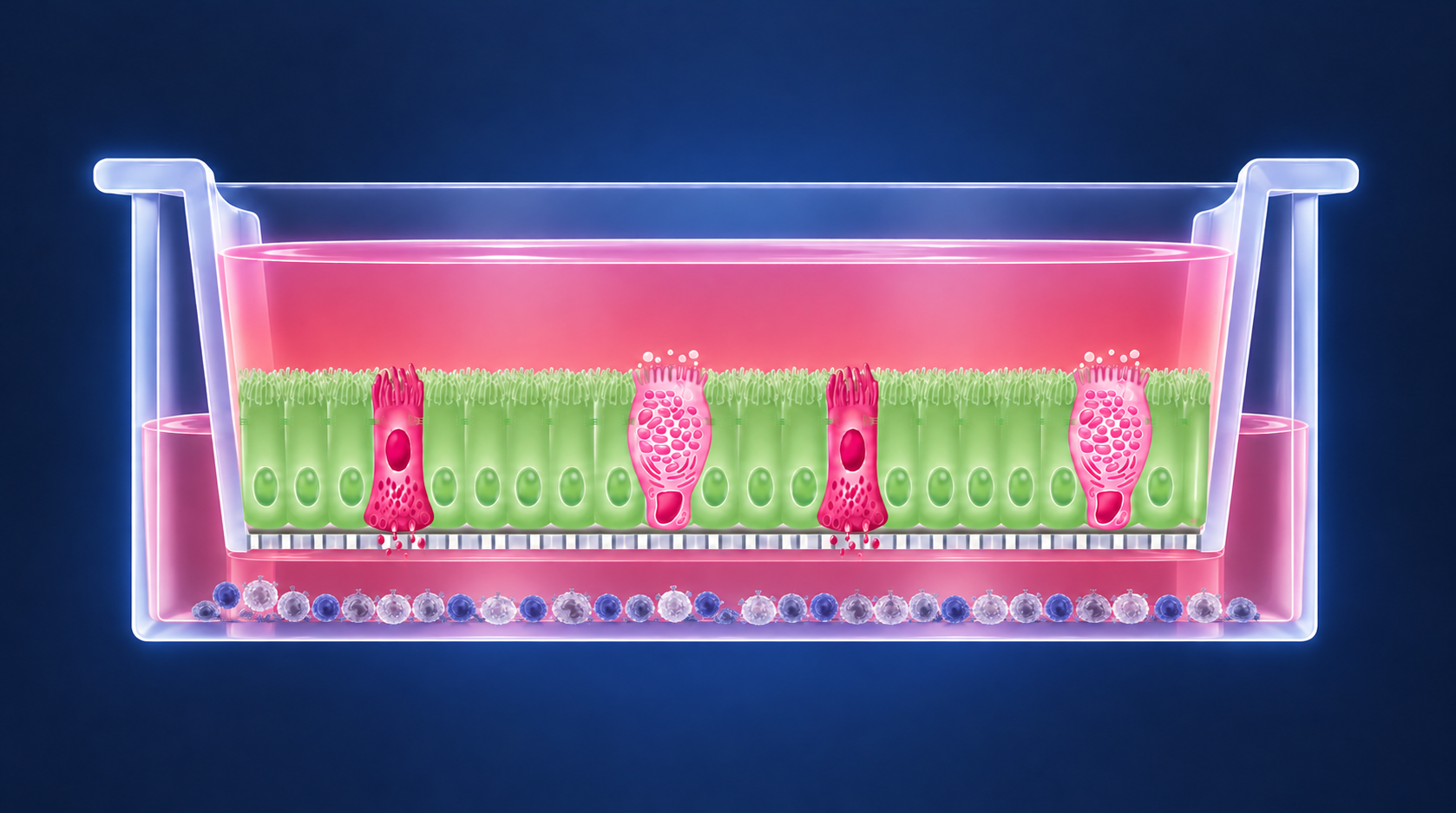
Immune Co-Culture
Epithelium paired with immune cells to model inflammation and the crosstalk that drives intestinal disease.
Explore Co-CultureA new approach, and the rules are catching up.
RepliGut is a complex in vitro model, the kind of human-relevant model the FDA recognizes as building blocks for New Approach Methodologies (NAMs) for reducing reliance on animal studies.
The FDA NAMs program and the FDA Modernization Act 2.0 are opening the door to human models in preclinical research. RepliGut was built for exactly this moment.
Human gut Epithelial tissue, ready for the lab.
Source
Ethically sourced stem cells from human donors, spanning duodenum, jejunum, ileum, and colon, and held in a biobank.
Grow
Cells proliferate and differentiate into the cell types of the human gut epithelium, capturing the biological mechanisms needed for predictive in vitro testing.
Test
Results are reproducible, physiologically relevant data for evaluating absorption, disease mechanisms, and toxicity risk.
Run it yourself, or hand it to our scientists.
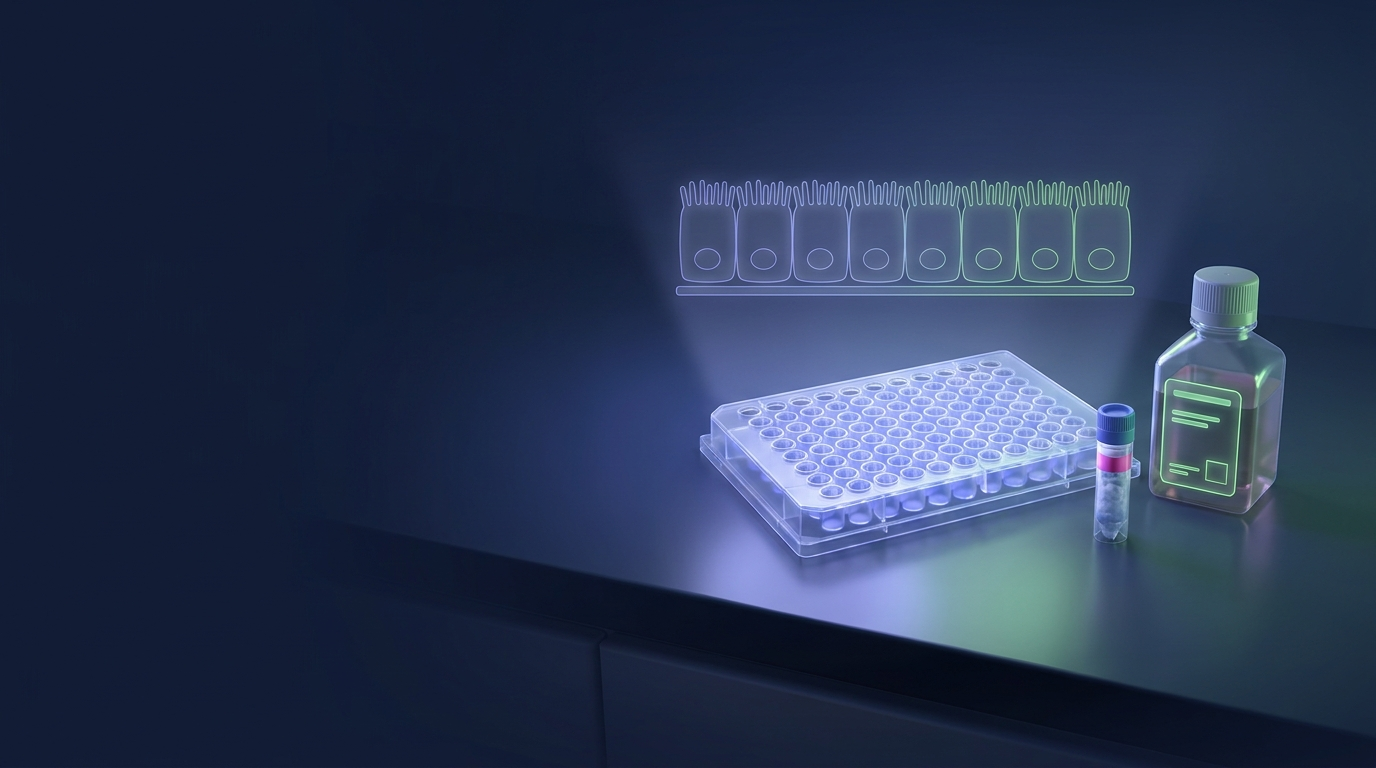
RepliGut® Kits
Ready-to-use human intestinal models delivered to your bench, with the protocols and support to get clean data fast.
Explore kits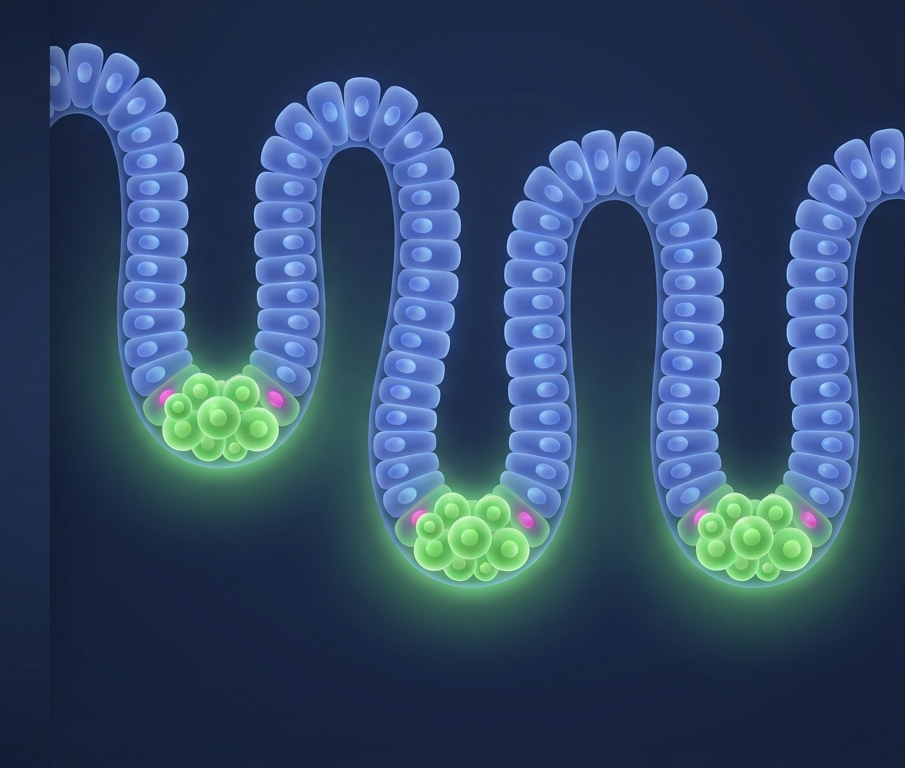
Custom Services
Our team designs and runs the study, from DMPK and permeability to InflammaScreen and StemTox, and delivers the data.
Explore servicesHuman intestinal models, in plain terms.
What is a human intestinal model?
A human intestinal model is lab-grown gut tissue that reproduces the human intestinal epithelium. RepliGut grows it from real human stem cells, so drug absorption, metabolism, and toxicity behave as they would in people.
How is RepliGut different from Caco-2?
Caco-2 is a single cancer cell line that models one donor and lacks normal gut cell diversity. RepliGut uses primary human stem cells from specific intestinal regions, giving more physiologically relevant permeability, metabolism, and toxicity data.
What can RepliGut measure?
Teams use RepliGut for oral drug absorption and DMPK, transporter and metabolism studies, IBD and inflammation modeling, and early GI toxicity screening, all on human tissue.
Are RepliGut models part of the NAMs the FDA supports?
Yes. RepliGut is a complex in vitro model, or CIVM, built to incorporate into New Approach Methodologies the FDA recognizes as the next fronteir in the nonclinical drug development toolbox. The FDA NAMs program and the FDA Modernization Act 2.0 support human-relevant models like these, evaluated for a defined context of use.
Ready to build on human biology?
Tell us what you are trying to predict. We will show you how RepliGut® human intestinal models fit your program, through kits or a custom study.
